
Biomedical startups in Rochester, Minnesota, are finding that business growth requires more than proximity to Mayo Clinic. Companies need specialised laboratory workers, experienced executives and staff who can run finance and operations.
The hiring challenge affects efforts to broaden the city’s employer base beyond its dominant healthcare institution. Destination Medical Center, a 20-year, $5.6 billion initiative, has made nurturing these startups a central goal.
Reporting by MPR News describes companies adjusting recruitment and training strategies to meet that need. Some local skills offer a strong advantage, while other roles remain difficult to fill.
Training For Specific Laboratory Skills
The Minnesota Department of Employment and Economic Development has convened public and private institutions to explore workforce solutions. Becky Zoubek, who leads the working group, said employers frequently seek cell culture, laboratory quality control and regulatory expertise.
Winona State University has adjusted its biology curriculum partly in response to that demand. Department Chair Amy Runck said students learn diagnostic and research techniques alongside supporting laboratory skills.
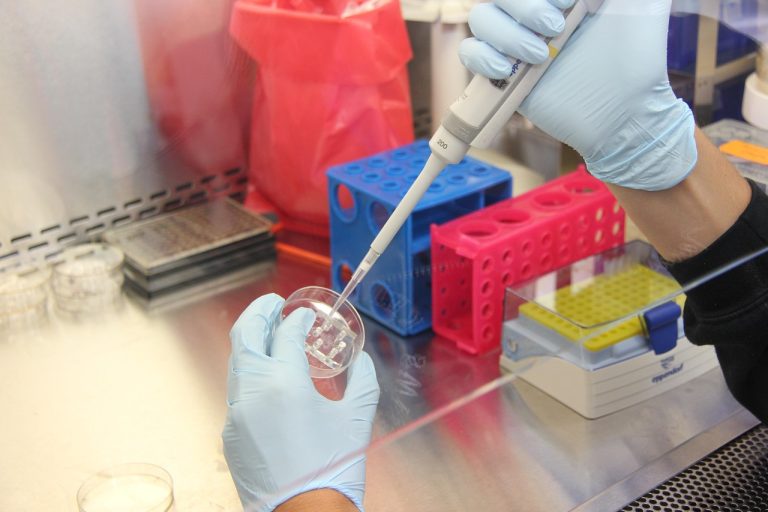
Those include pipetting, using centrifuges, running gels and measuring DNA and RNA. The working group is also exploring short courses that could teach new hires particular skills locally and quickly.

Freshman Chayse Pulvermacher illustrated that pathway while isolating apple DNA in a university laboratory. Pulvermacher told MPR News that laboratory testing work, rather than bedside care, was the desired career direction.
Local Strengths Do Not Fill Every Vacancy
Cytotheryx, a Mayo Clinic spin-off, grows human liver cells called hepatocytes in pigs. The company intends those cells for research and liver disease treatment.
Interim CEO Anna Argo said animal husbandry experience has been essential to the business. The Upper Midwest’s agricultural workforce offers relevant skills that can be harder to find in coastal biotechnology centres.
Other recruitment has proved slower. Argo said a finance and operations position took a year to fill.
Relocation can be difficult to sell when candidates see limited options for their next career move, she said. Mayo offers opportunities, but Rochester has a relatively small pool of other biotechnology employers.
The region’s hiring needs consequently extend beyond science graduates and laboratory experience. Companies also need people with business, legal, technology and bookkeeping skills.
Developing Staff And Expanding Shared Space
Vyriad, another Mayo spin-off, is developing new cancer therapies. Created in 2015, it drew on Mayo expertise and recruited hospital employees before expanding into former IBM office space.
President Luke Russell said experienced drug-development executives are harder to find locally. Established biotechnology centres such as Boston and San Francisco offer deeper pools of those leaders, he said.
Vyriad is developing younger employees internally and giving them opportunities to grow professionally. Russell hopes that approach will encourage staff to establish roots and remain in the community.
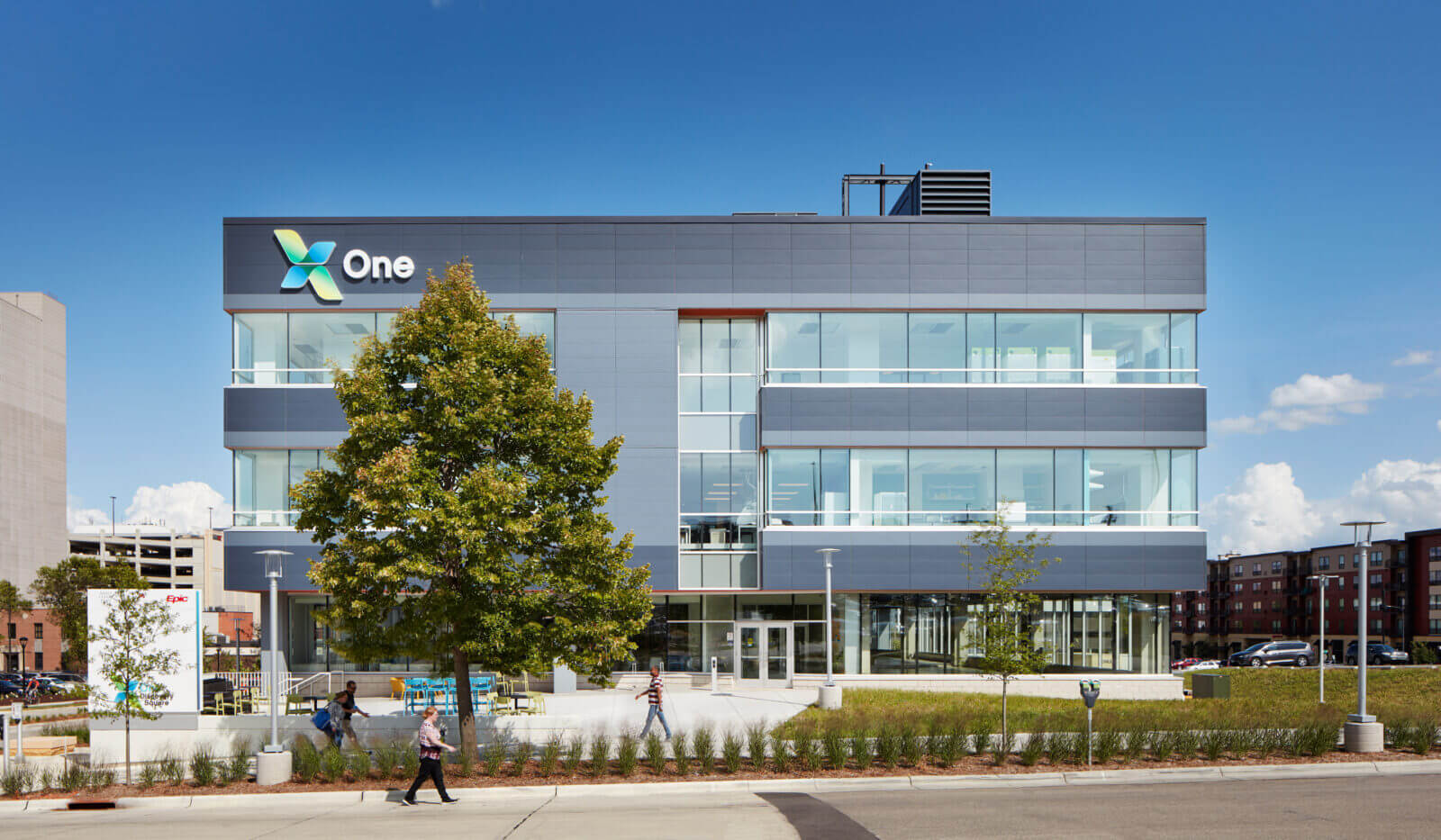
Destination Medical Center officials are also promoting a planned shared laboratory at One Discovery Square. They say it will let Mayo-born startups grow locally without building expensive laboratories of their own.
Shared facilities address space needs, but Russell described recruiting as a longer branding effort. Making candidates aware of Rochester’s range of opportunities remains part of the work of building its startup workforce.